SaaS UX redesign: For products that are powerful and confusing
For B2B and SaaS teams whose product does a lot and loses the people using it: support tickets that start with “how do I”, trials that stall in setup, power users working around the interface. I find the flows that cause it, redesign them with every state they need, and hand over screens or working code your team can ship. Each flow is priced before work starts, by how big it is.
To start, email andriy.dsgn@gmail.com with a link to the product and a line about where people get stuck.
Signs a product needs it
They show up in support tickets and trial data before anyone calls them a design problem.
Most support tickets ask how to do something the product already does, so the feature is there and people cannot find it.
New customers stall in onboarding and setup, and leave the trial before they reach the part of the product that made them sign up.
One task is spread over several screens and tabs, and people lose their place between them halfway through the workflow.
A settings page grew to hold every feature nobody found a home for, and the navigation no longer says where anything lives.
Experts and newcomers share the same screens, and neither is served well. A worked example: Redesigning a block explorer.
Different people, or their coding agents, built different screens, and each one behaves its own way with its own components.
What you get
What comes back at the end of each flow, in Figma or in your repository.
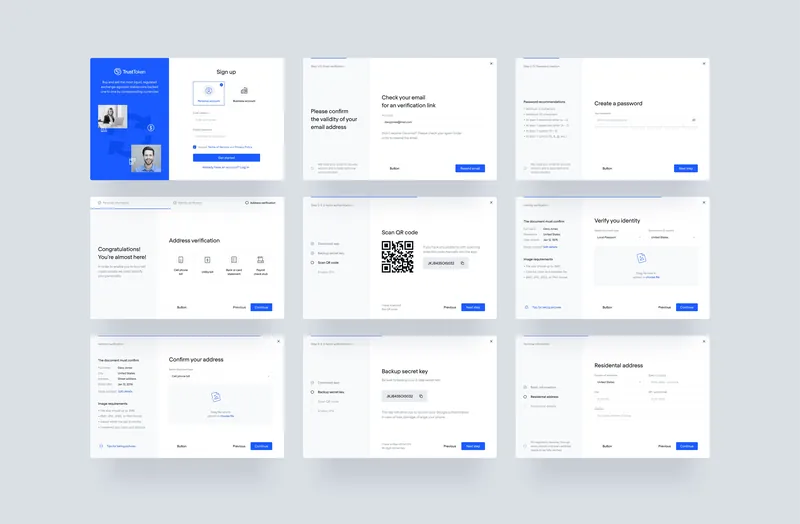
Every state of every flow
Each flow redesigned with all of its states: empty, loading, error, permissions and edge cases, not only the one screen that looks good in a deck.
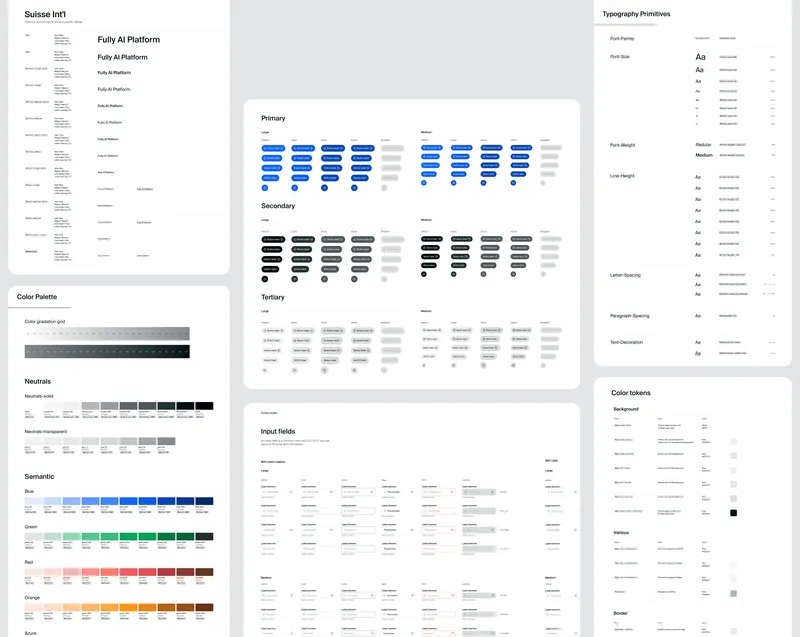
Components in your design system
The components the redesigned flows need, added to your existing design system, or a new design system started when the product has none.
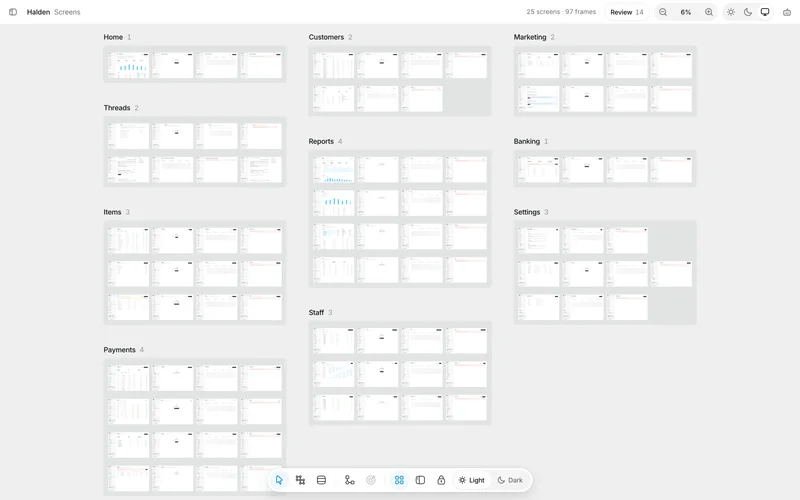
A map and notes to build from
Every screen and state of the flow laid out in one map, with handoff notes your engineers or their coding agents can build from.
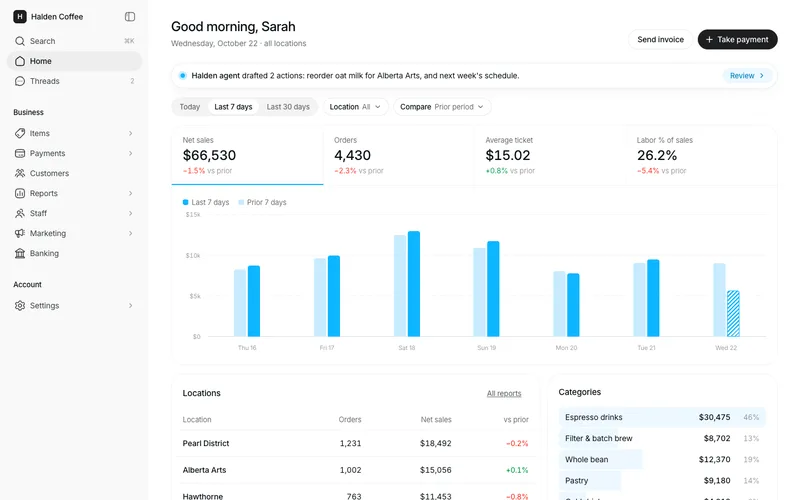
Or built in code
Or the redesigned flows built in code, in your repository, by me. How that works, and when it is worth it: design and build.
How it works
Four steps, and you know the price before the third one starts.
Audit
The main tasks walked end to end, where people stall, and what support tickets and usage data say: a one-week Product Diagnosis, from $900.
Flow list
The flows worth redesigning, in the order that pays back first, each with its scope and its price, so you know the total before work starts.
Redesign
Each flow end to end: the main path, empty and error states, roles and permissions, edge cases, and the components the flow needs.
Handover
Figma built on your design system, or the flows built in your repository, with handoff notes for your engineers or their coding agents.
What a flow costs
A flow is priced by its size and its states. Inviting a teammate is a few screens; roles and permissions or a multi-step approval can run through the whole product. So there is no price per flow until the audit shows what each one involves.
When the trouble is that the screens no longer match each other, a Consistency Review, from $700, checks components and tokens instead of the flows.
The flow list gives the price of every flow before any work starts, and nothing is billed by the hour. Scope, price and the way we handle changes are agreed before work starts. The fee for a Consistency Review or a Product Diagnosis is credited in full toward the work that follows, if it starts within 30 days. That work is quoted separately.
Where the experience comes from
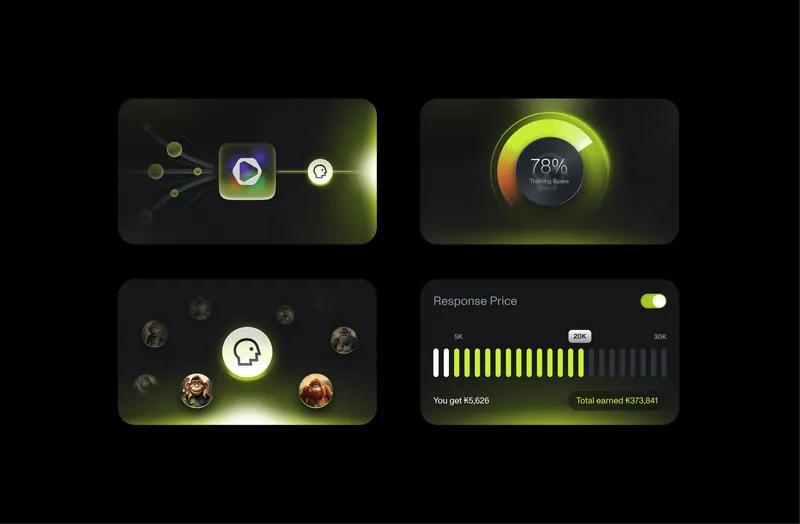
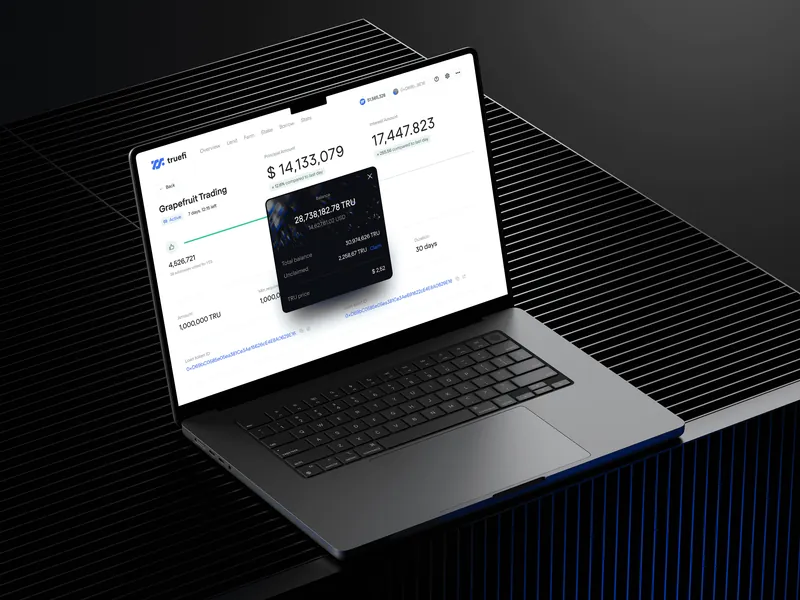
Fourteen years of complex products: cloud infrastructure, DeFi, investing and AI agents. What the case studies record:
- Deva−30%Task time in usability testsIn the beta
- Deva+25%Daily active usersIn the beta
- Deva+20%RetentionIn the beta
- Equi−40%Onboarding time2021-2022
An AI agent platform, from the first concept to a beta
MeasuredIn the beta, tasks took 30% less time in usability tests; daily active users grew 25% and retention 20%
A digital family office, from zero to MVP, onboarding included
MeasuredOnboarding time dropped by 40%
Lending, staking, farming and governance in one product
MeasuredNo published measure of the design work
The design system of a multi-cloud infrastructure platform
MeasuredNo published measure of the design work
A UX audit, then a design system and a dashboard redesign
MeasuredDone in one month
Measured by the teams, not by me, and reported to me by the people who ran the numbers. Each compares with the version before the change: Deva’s in its beta, Equi’s while I was on the team, 2021-2022. My part in each is on the case page.
Company context, not results of this work: TrueFi originated more than $1B in loans in its first year, and F5 acquired Volterra for $500M.
Questions teams ask
How much does a SaaS UX redesign cost?
Each flow is priced by its size and its states. The flow list after the audit prices every flow, so you know the total before work starts. The audit fee is credited in full if the redesign starts within 30 days.
Do we have to start with an audit?
Usually. Without it the price would be a guess, and the flows worth redesigning are not always the ones the team points at first. If you already know the flow and it is small, write and I will say whether we can skip it.
Will you redesign the whole product?
Only the flows that need it, in the order that pays back first. A full redesign is rarely the cheapest fix.
Do you work in Figma or in code?
Both. I hand over Figma built on your design system, or build the flows in your codebase myself.
Our product was built with Lovable, Cursor or Claude Code. Can you redesign it?
Yes. I start with an inventory of what the app actually ships, then redesign the flows and send the fixes back as tasks your team or your coding agent can act on. How to tell a design problem from an engineering one: Developer or designer for an AI-built app.
Can you work with our existing brand?
Yes. The redesign is built on your brand and your design system. If there is no system, I add the components the flows need, or start one.
How do you hand the work over to developers?
As Figma built on your design system, with notes your engineers or their coding agents can build from, or as the flows built in your repository by me.
Do you design for web and mobile?
Both. On Equi I designed the mobile app of a digital family office; on TrueFi the same features ran on web and mobile. See mobile app design.
What is your experience with complex SaaS?
Fourteen years of products with a lot under the surface: a multi-cloud infrastructure platform at Volterra, an AI agent platform at Deva, a crypto analytics platform at Santiment and an AI agent product at Fully AI. The section above lists the cases.
Do you work by the hour or by project?
By flow: each one is quoted after the audit, and nothing is billed by the hour. Longer work runs as fractional product design, from $8,000 a month.
How long does a flow take?
It depends on the flow. The flow list gives a date for each one before work starts.
Do you work with teams in other countries?
Yes. I work remotely, with teams in different countries and time zones.
Other ways I can help
- Onboarding design, quoted per flow: to the first useful moment, KYC included.
- Dashboard design, quoted per view: for more data than people can read.
- Design systems, from $700: a Consistency Review, then a system agents follow.
- UX audit, from $700: three reviews, and what each checks.
Further reading: Redesigning a block explorer. All services, with the situation each one fits: Services.
Is your product powerful and confusing?
Send a link and a line about where people get stuck. If it’s not a fit, I’ll say so.