Fully AI: A one-month UX audit and design system
Fully AI lets businesses build no-code AI agents that run tasks and automate workflows. The team brought me in for one month to audit the product, build a design system, reorganize their Figma workspace and redesign the dashboard.

About Fully AI
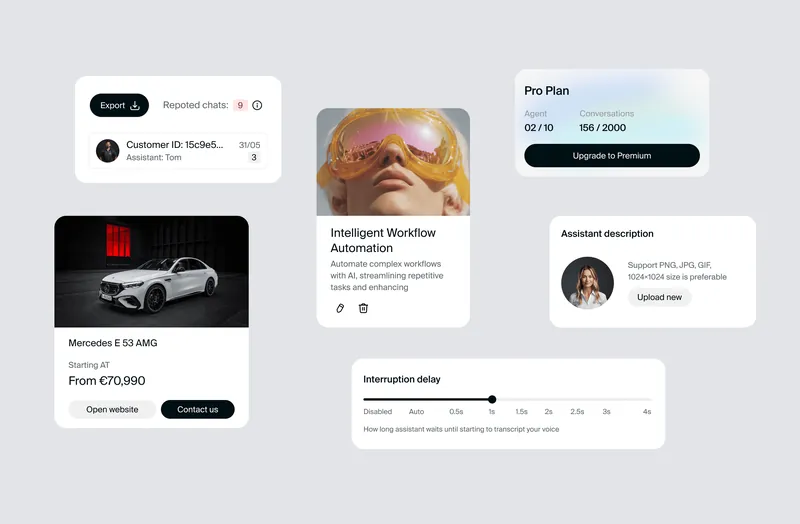
Fully AI builds the ground for the next stage of human-AI collaboration: autonomous agents that work as a second brain for a business. Teams create AI agents without code, and the agents carry out complex tasks, automate workflows and adapt to context. The company was started by a team from leading tech companies.
Goal
Fully AI needed a unified design system and streamlined Figma workflows to scale their SaaS product efficiently. Their dashboard lacked design consistency, and collaboration across teams was slowed by disorganized files and component sprawl.

My role
I was brought in as a principal design partner for a focused one-month engagement to elevate Fully AI’s design maturity. My work spanned a full product audit, design system creation, Figma workspace overhaul, dashboard redesign, and onboarding optimization. I led both strategic thinking and hands-on execution, working directly with engineering and leadership.
What I Did
I began with a comprehensive UX audit, identifying usability gaps, inconsistent behaviors, and missed opportunities for component reuse. This included reorganizing the interface, mapping key user flows, and documenting breakdowns in the current information hierarchy. Alongside this, I conducted a market analysis of leading SaaS dashboards to extract actionable insights on layout structure, logic, and interaction patterns.
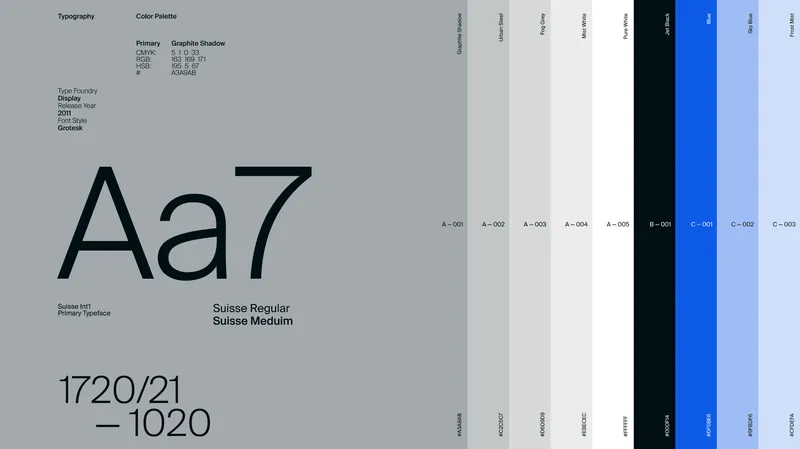
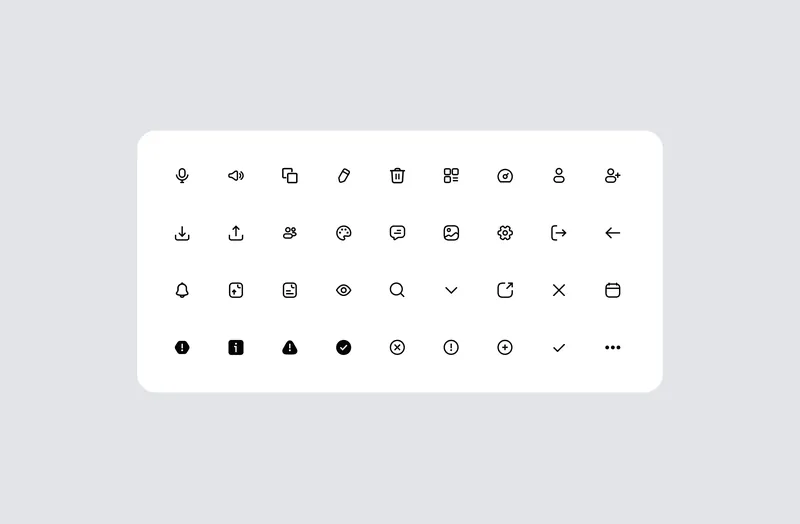
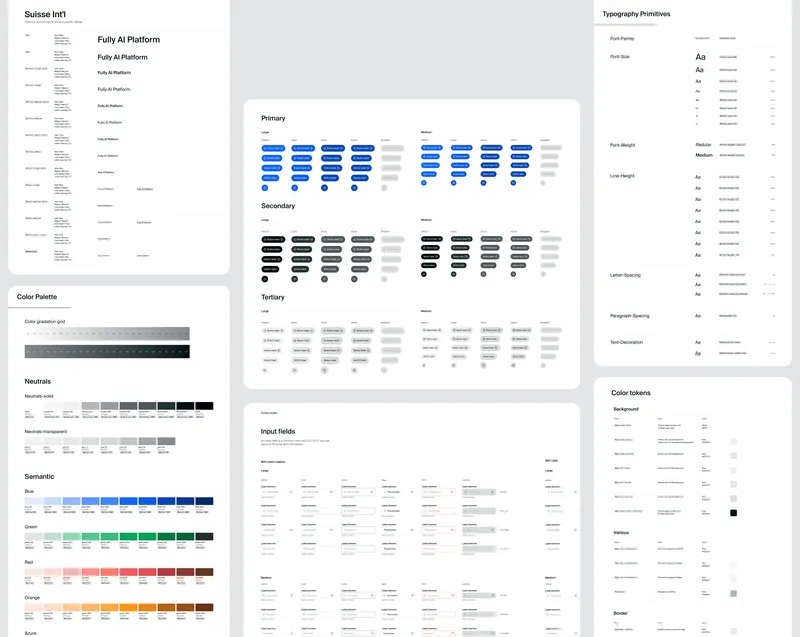
Next, I developed a token-based design system tailored to Fully AI’s scalability needs. This included a modular component library, semantic spacing rules, and layout frameworks that aligned with both visual design principles and engineering handoff requirements. I also led a full Figma workspace overhaul, introducing structured hierarchies, naming conventions, and versioning practices to streamline cross-functional collaboration and eliminate design debt.
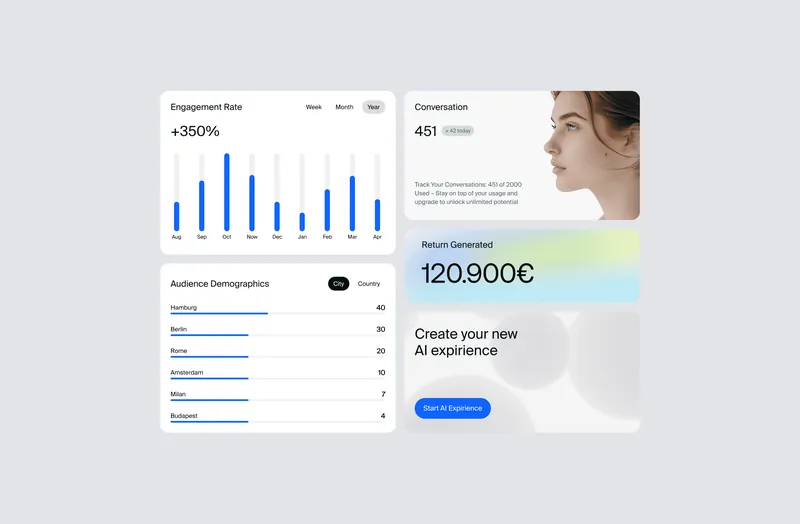
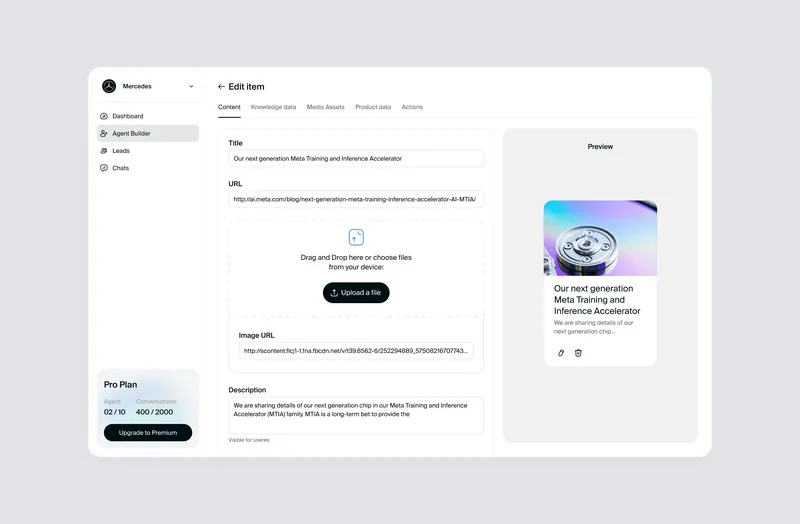
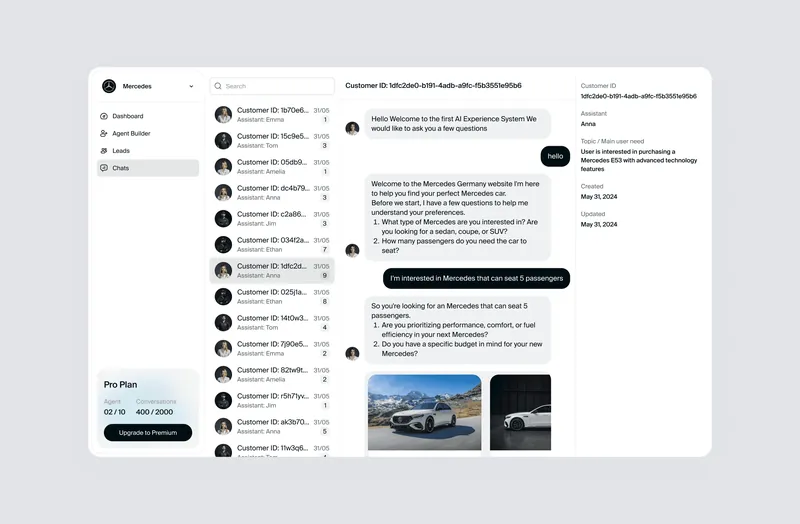
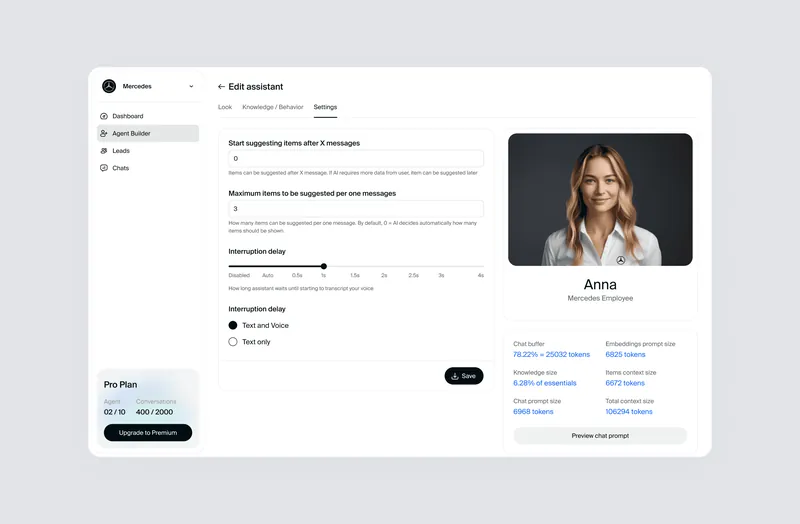
Finally, I redesigned the platform’s dashboard using a consistent modular grid and simplified content hierarchy to support feature expansion. I also optimized the onboarding experience by identifying key friction points and proposing UX changes to improve activation, engagement, and retention. These updates helped align user experience with business goals while preparing the product for future growth.

Outcome
By the end of the month, Fully AI had:
- A fully functional design system ready for scale
- A clean and efficient Figma workspace adopted by the team
- A redesigned dashboard with improved clarity and hierarchy
- Streamlined onboarding concepts that laid the foundation for user growth
Working on something similar?
Fully AI began with an audit. A Consistency Review is the short version.