Deva: An AI agent platform designed from zero
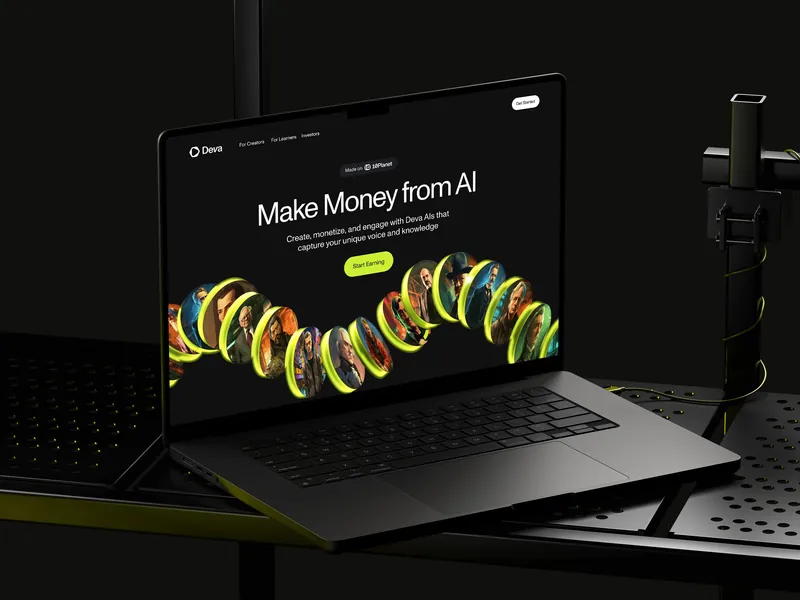
Deva is a platform for creating, training, and interacting with modular AI agents. It’s the front-facing interface built on top of 10Planet, a backend system for decentralized memory and agent logic. Together, they enable long-term knowledge storage, interaction histories, and social workflows around personal or collective intelligence. Deva makes that invisible complexity feel intuitive and useful.
Goal
Our goal with Deva was to build a system that lets users treat AI agents like collaborators rather than tools. That meant designing for interaction, growth, and memory. The product had to feel approachable and flexible enough to support creators training agents, teams collaborating on shared agents, and networks evolving systems together. Above all, it had to make abstract ideas like “agent memory” or “training tokens” feel tangible and usable.
Designing from 0
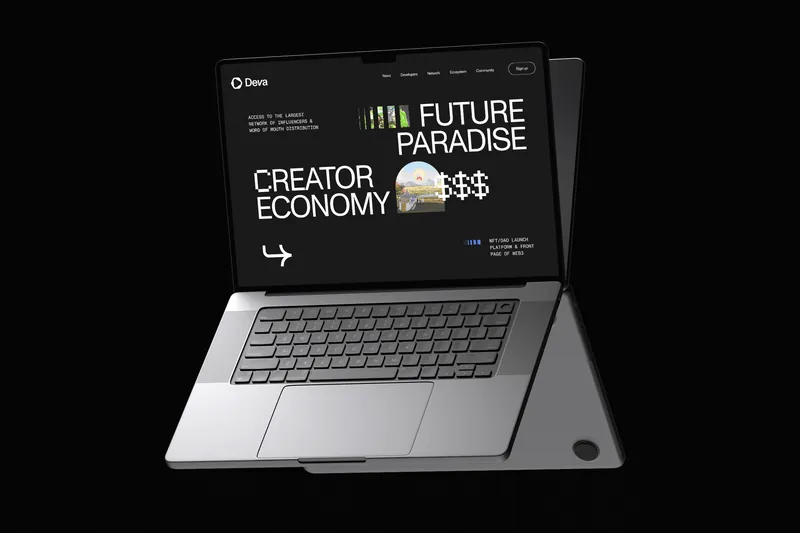
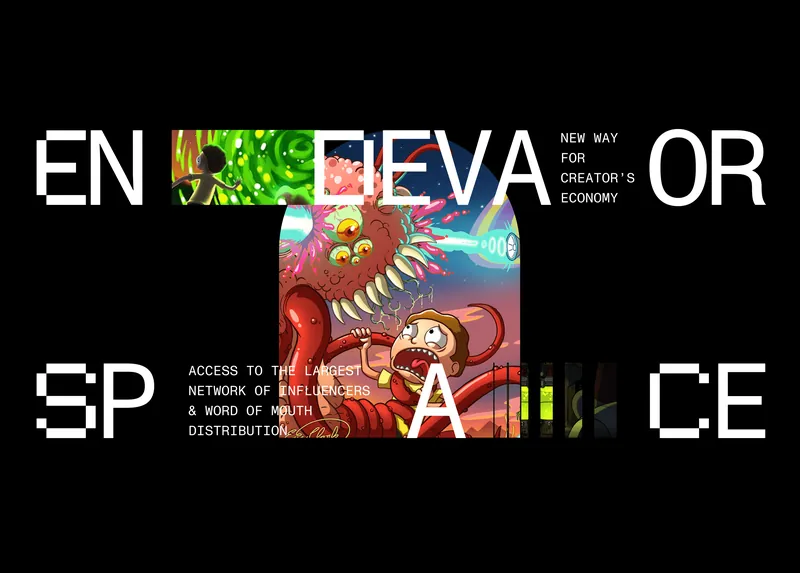
When we started, there was nothing to improve, because nothing existed. We were one of the first teams exploring the intersection of decentralized knowledge, AI agents, and memory systems. That meant building from zero: no reference UX patterns, no established agent management tools, and no shared visual language. Throughout the process, we pivoted multiple times: we redefined flows, rethought the architecture and evolved the brand identity as the product vision matured.

Building Trust
We started with questions before any screens: What is an AI agent (Deva)? How does it store memory? What does long-term utility look like?
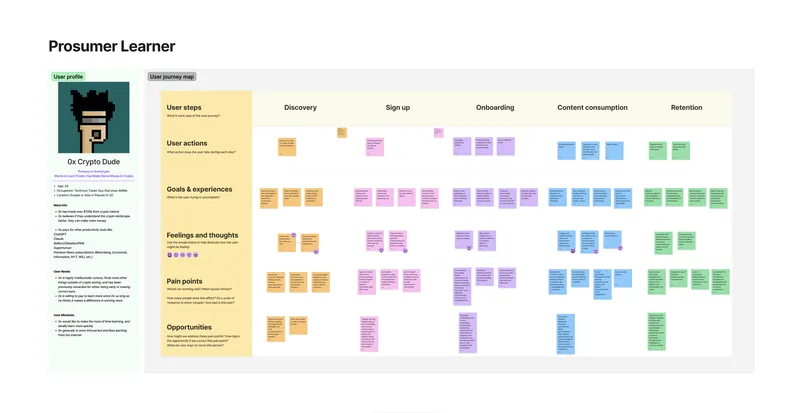
I mapped initial user journeys around creating, training, and deploying agents, then expanded flows to include memory management, agent discovery, and social interactions. Each iteration revealed blind spots, and the product evolved across multiple pivots, including a rebrand and a platform restructure.
We split the system into two connected products:
10Planet as the backend intelligence and agent management layer.
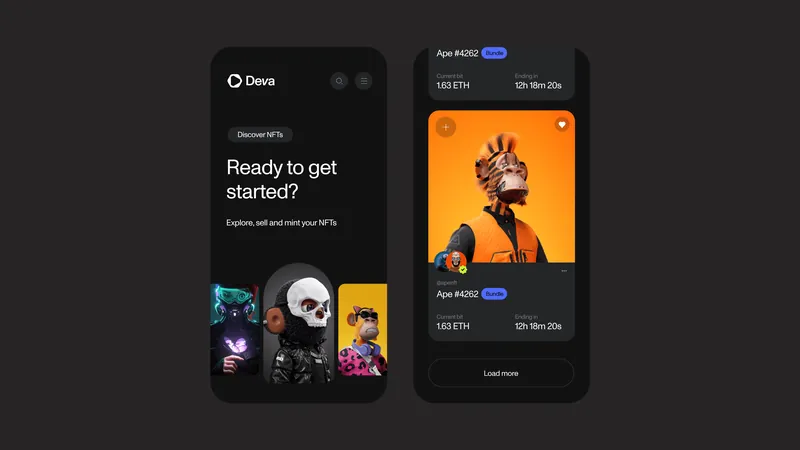
Deva as the front-facing experience for users to interact, train, and collaborate with their agents.


How Deva works
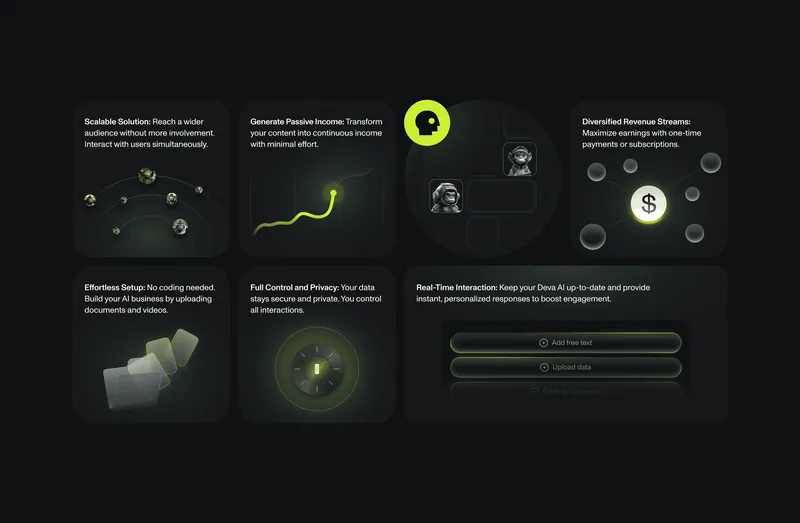
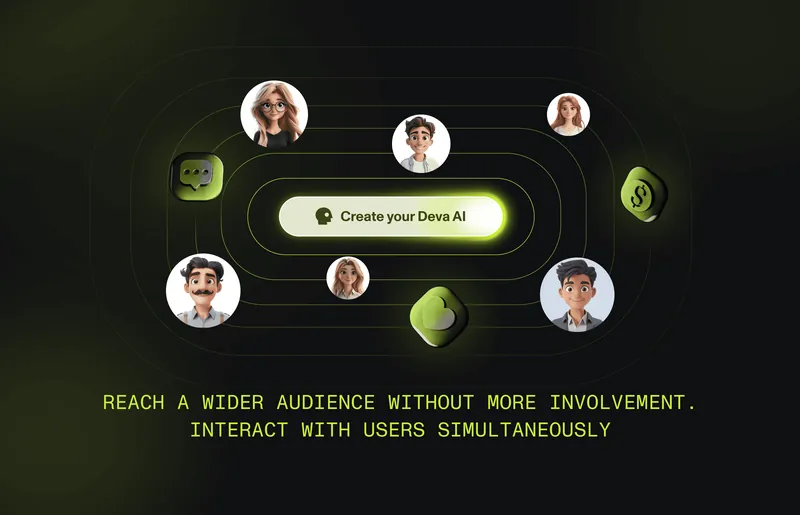
Deva was a model before it was a set of screens: the objects it is built from, the path an agent takes, and a few decisions that shaped both.
Deva, what people use
- Author
- Creates agents and trains them. Earns and spends Karma.
- Agent
- A modular unit with its own knowledge, memory and behavior. Kept private, shared with a team, or published.
- Memory
- What an agent has learned from training and conversations. Has its own flow, where people see it and manage it.
- Member
- Finds agents, talks to them, invites others. Earns and spends Karma.
10Planet, what runs underneath
- System layer
- Runs agents and manages their tasks.
- Governance layer
- Votes, permissions and identity.
The path of an agent
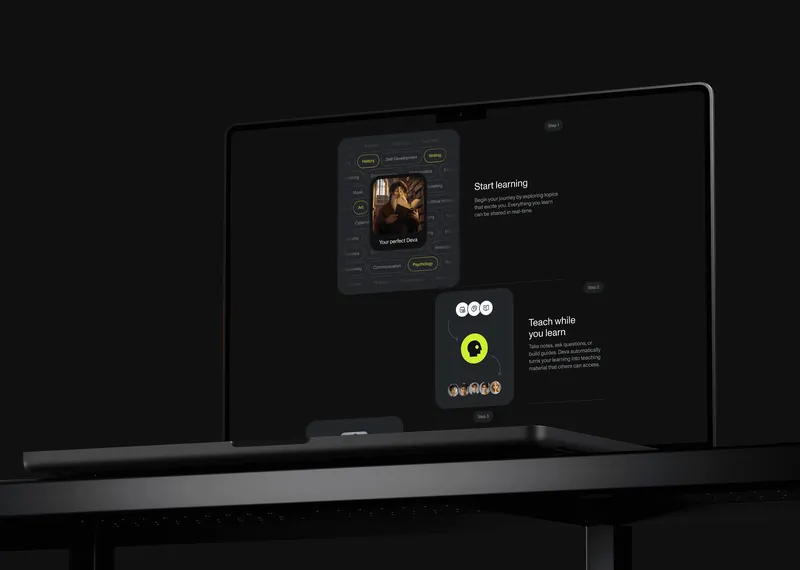
- Create. The author sets up an agent: what it is for and how it behaves.
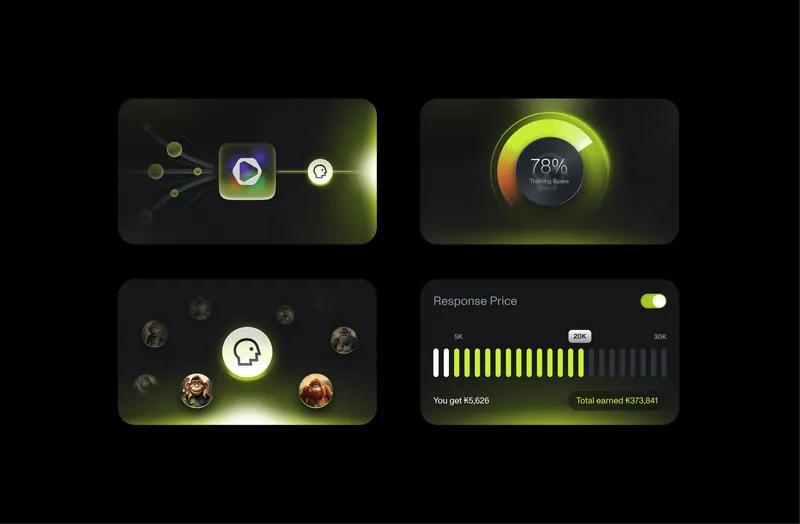
- Train. The author gives it knowledge. Training tokens are shown next to what they changed.
- Remember. Training and conversations build its memory, and the memory flow shows what it holds.
- Publish. The agent goes into discovery, where others find it, or is shared by invite.
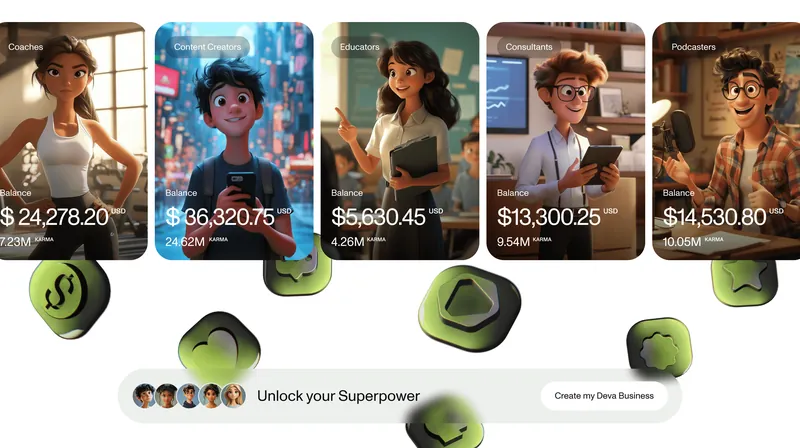
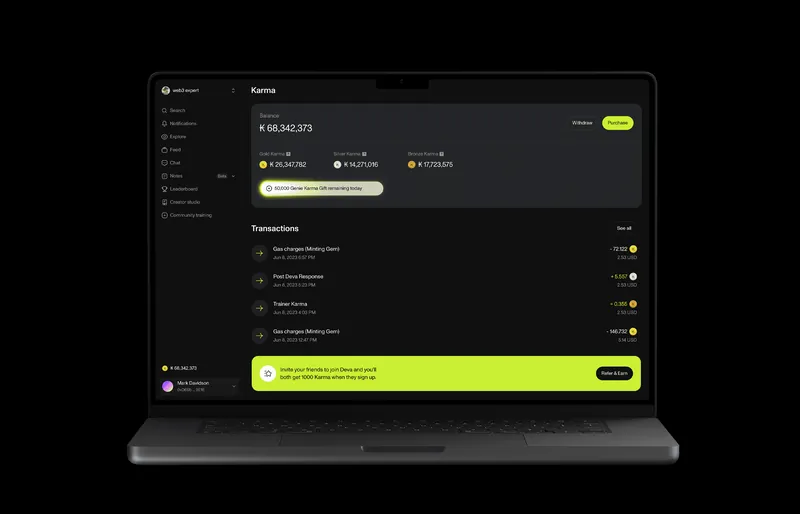
- Use. People work with it alone or as a team. Karma records what is earned and spent.
Decisions
One product or two
Where memory lives
How much to show at once
Designing for Clarity
I knew we were entering a space with no established UX standards, so the only real direction was to focus on how people would feel interacting with something completely new. The goal was to make users feel like they could actually understand and use what they were seeing. Most of the product decisions were rooted in simplicity, clarity, and keeping the user grounded.
I spent time crafting flows that didn’t just work but made sense, especially when it came to helping users navigate abstract concepts like modular AI agents, voting mechanisms, or memory systems. There was a lot of thinking around when and how to introduce complexity, and how to use small patterns like tooltips or subtle animations to support onboarding without overwhelming. It was about guiding without forcing, opening up deeper parts of the product gradually and only when it was truly needed.
At the core of it, this was about making something experimental feel intuitive and to build trust through the interface itself.
Visual Identity
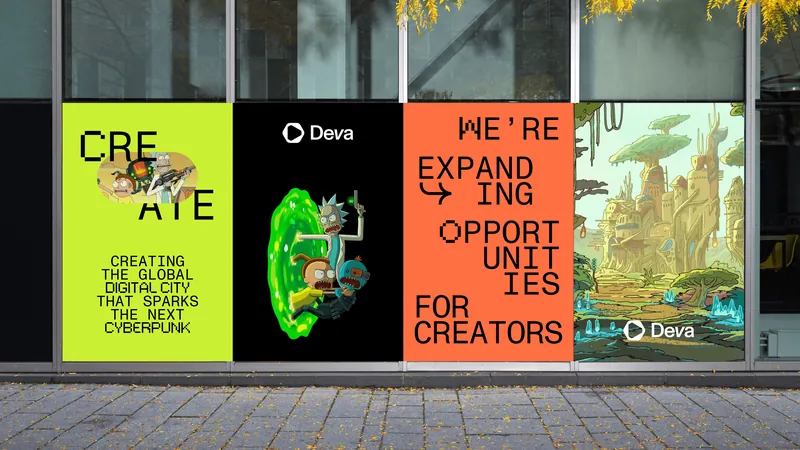
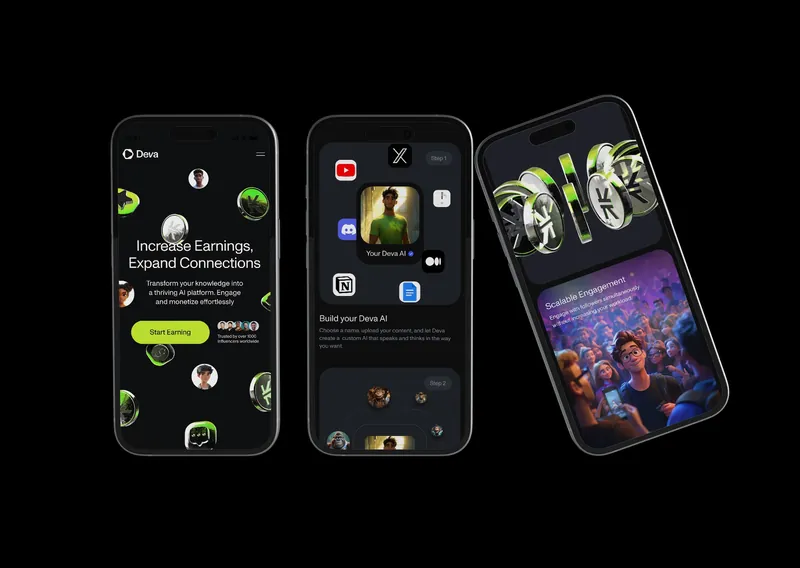
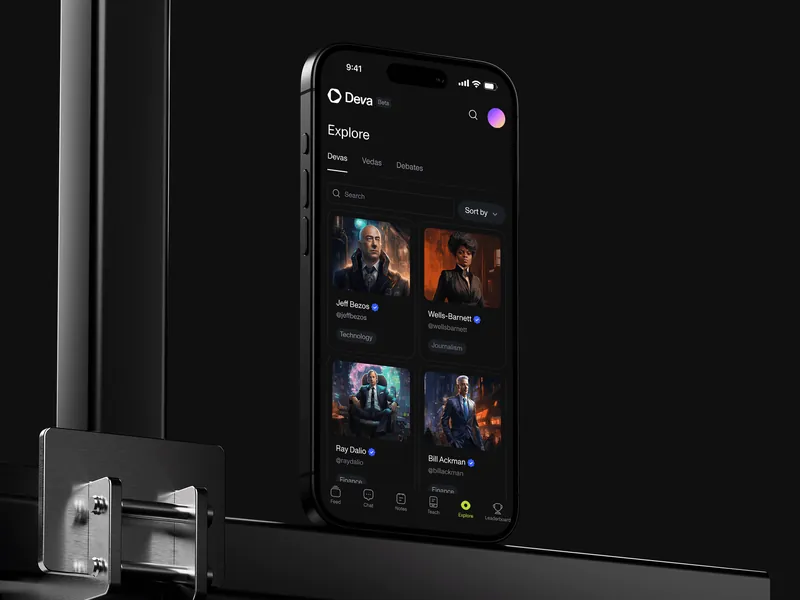
Deva’s identity evolved alongside the product. What started as a quiet, geometric design system grew into something more expressive, incorporating liquid-inspired assets, soft 3D objects, ambient motion, and custom UI microelements. The visual direction became a bridge between minimal tech and playful intelligence.

Outcome
Deva went from the first concept to a beta in 15 months. In the beta, daily active users grew 25% and retention 20% as the interface changed, and usability tests showed tasks taking 30% less time. The work covers the whole product: the model of what an agent is, agent creation and training, memory, discovery and the visual identity, all on one design system mapped to the 10Planet protocol, which cut handoff errors between design and engineering by 40%. The system held through several pivots and a rebrand without being rebuilt from scratch.
Designing a product nobody has a pattern for yet?
Send me a few lines about it. I'll reply with how I would approach it, the way I did for Deva.